

A phone, a tablet, and a desktop walk into a bar…
We knew he’d hit the point of the trifold smart phone and who better to introduce it to the mainstream than Samsung.
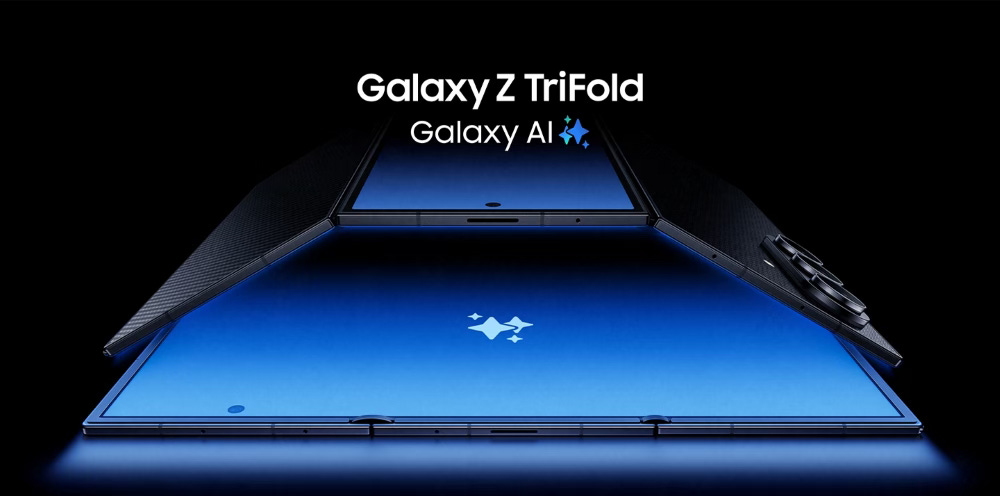
The Galaxy Z TriFold isn’t just an incremental update; it’s a structural pivot. By adding a second hinge and a third panel, Samsung is effectively trying to kill the tablet and bring the single device that does everything into existence.
From Samsung:
Samsung Electronics today announced the launch of Galaxy Z TriFold, further expanding Samsung’s leadership in new form factors for the mobile AI era. Built on a decade of foldable category innovation, Galaxy Z TriFold showcases engineering mastery with its most advanced foldable technologies optimized for the unique demands of a multi-folding design. Its slim profile ensures the portability of a premium phone that provides ultra performance and, when unfolded twice, it reveals an immersive 10-inch display1 that elevates productivity and cinematic viewing — offering a best-in-class mobile experience never before seen in any other form factor.
Now where does the desktop come in? The somewhat marketed feature of Samsung DeX. If you are unfamiliar with DeX, you probably aren’t alone. It has long been a feature on Samsung flagship devices where you can use a dock or external monitor to use Android in a full desktop environment. I have used this feature extensively in the past, and it is a very capable desktop replacement. Think of it has a more functional Chromebook.
For the first time on the TriFold, you don’t need an external monitor to get the desktop experience. You can trigger DeX directly on the 10-inch screen, supporting up to four workspaces and five simultaneous apps.
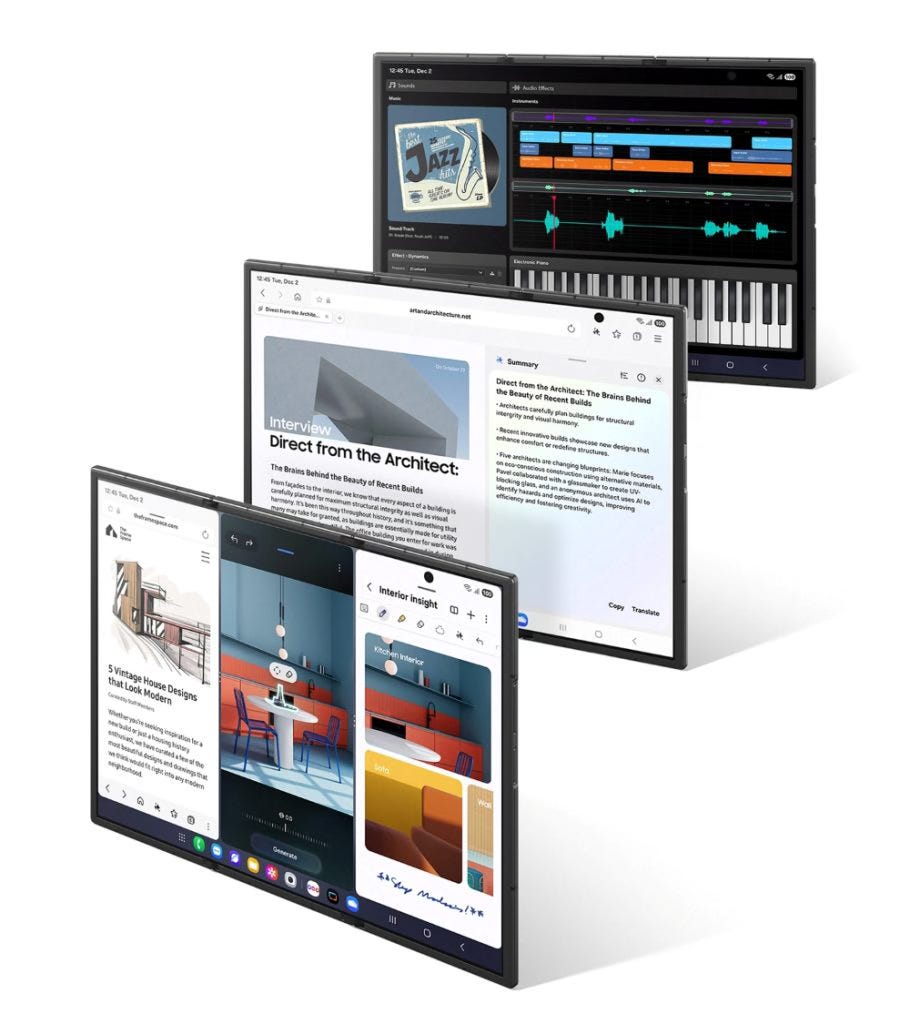
Under the hood, the TriFold is powered by the Snapdragon 8 Elite, which is necessary to drive the heavy lifting of Samsung’s Galaxy AI. With a screen this size, features like Circle to Search and Note Assist feel less like mobile gimmicks and more like professional tools. The extra real estate also allows for Gemini Live to run with a multimodal interface, meaning the AI can “see” what’s on your 10-inch screen and provide contextual help in real-time.
Verdict: The Shape of What’s Next?
At 309 grams, it’s not a featherweight, but the trade-off is a 200MP camera system and a 5,600mAh battery split across three chassis segments. It suggests that the future of mobile isn’t just about making things thinner—it’s about making them more versatile. Samsung wants to change the phone from your primary device to your only device, and the is a definite big step in that direction.
This post is part of an ongoing series called Perfectly Awesome. Featuring a collation of fun and random products found wandering the internet. If you want to receive more posts like this, please subscribe below.